

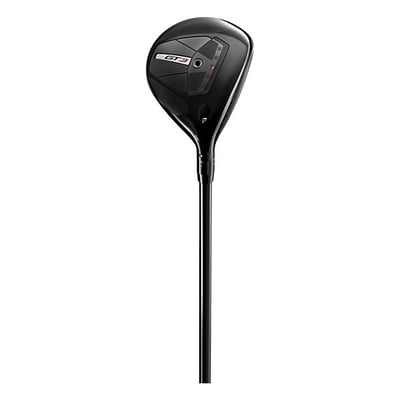



Titleist GT3 Fairway Review
Introduction
The Titleist GT3 Fairway is a premium fairway wood from Titleist, a brand known for
tour-influenced design and consistent performance. This club sits in the golf fairway wood category and is
intended for players who want a versatile long-club option for shots off the tee, from the fairway, or out of light rough—often
as a complement to (or partial replacement for) a long iron or hybrid.
With a listed price of $399, the GT3 targets golfers who prioritize performance, fitting options, and a
refined look at address, and who are willing to pay for a flagship-level model.
Overview
The Titleist GT3 Fairway is positioned as a performance-driven fairway wood designed to provide a strong blend of
distance, playability, and control. In the Titleist lineup, “GT3” generally
denotes a model geared toward golfers who want a more dialed-in, player-preferred flight and the ability to fine-tune setup and
performance through fitting.
Appearance, Materials, and Design
The GT3 Fairway carries the clean, understated aesthetic Titleist is known for—typically a compact-to-mid profile that looks
confident behind the ball without appearing oversized. The overall visual impression is “player’s club”: minimal distraction,
a traditional shape, and a finish designed to reduce glare.
-
Address profile: A streamlined head shape that tends to appeal to golfers who prefer a more traditional
fairway wood look and a square-to-neutral setup. -
Aesthetic detailing: Titleist clubs often use subtle alignment cues rather than bold graphics, helping the
player focus on the ball and target line. -
Premium build feel: In this price tier, expectations include tight build tolerances, solid acoustic feedback,
and a “dense” impact sensation many better players prefer.
Note: The product data provided doesn’t specify exact construction materials (e.g., specific alloys, face technologies, or crown
composition), so the comments above focus on the typical GT/Titleist design approach and what a buyer should look for in-hand.
Key Features / Specifications
- Product: Titleist GT3 Fairway
- Manufacturer: Titleist
- Category: Fairway wood
- Intended use: Tee shots, fairway approaches, long second shots on par 5s, and controlled long-game gapping
- Price: $399
Since the provided dataset includes only the title and price, prospective buyers should confirm loft options, adjustability,
shaft offerings, and head size through an official Titleist spec sheet or retailer listing before purchasing—especially if you
are building a specific yardage gap or shot-shape requirement into your set.
Performance and On-Course Experience
Off the Tee
As a tee club, the GT3 Fairway is best suited to golfers looking for a reliable “positioning club”—something that can produce a
repeatable launch and controlled dispersion when driver isn’t the right play. In this role, the club’s value is in
predictability: you want a flight that holds its line and a face that doesn’t feel overly hot-to-cold across the
hitting area.
Players who deliver the club consistently (and especially those who prefer a slightly more penetrating flight) will likely
appreciate a fairway wood like the GT3 for tight driving holes. If you tend to miss high on the face or need maximum launch help,
you’ll want to pay close attention to loft selection and shaft fitting.
From the Fairway
From closely mown turf, a premium fairway wood needs to balance two competing goals: generate enough speed for distance while
still launching high enough to land with playable stopping power. The GT3 category is generally aimed at golfers who want
controlled speed rather than purely “max forgiveness at any strike.”
In practice, that means the club should reward centered contact with strong, efficient ball flight—and it will be most impressive
when you’re striking it well. If your fairway-wood contact pattern is inconsistent, you may find that a more forgiveness-forward
model (often a different head designation within a lineup) is easier to launch and easier to keep on line.
From Light Rough
Fairway woods can be demanding from rough because grass can reduce face-to-ball contact (impacting spin and launch). The GT3 is
likely to perform best from light rough where the ball sits up enough to allow a clean strike. If the ball is
sitting down, many golfers will still be better served by a hybrid or higher-lofted option.
Shot Shaping and Trajectory Control
The GT3 Fairway is a compelling choice for golfers who like to work the ball. A more “player-leaning” fairway wood often feels
easier to hold off for a fade or turn over for a draw without the head fighting the hands. The trade-off is that golfers who want
the club to automatically correct misses may prefer a design biased more heavily toward forgiveness.
Sound and Feel
In this segment, sound and feel are a significant part of the ownership experience. Titleist fairway woods typically aim for a
solid, crisp strike rather than a loud, metallic note. Better players often interpret this as feedback-rich: you can tell where
you struck it and how the shot is likely to fly.
Pros and Cons
Pros
- Premium, player-focused design: Appeals to golfers who value clean looks and controlled performance.
- Versatile usage: Suitable for tee shots, long approaches, and strategic layups when fit correctly.
- Confidence at address: Traditional aesthetics and typically understated alignment cues.
- Strong feel and feedback: The kind of impact response many skilled players prefer for dialing in strike quality.
Cons
- High price: At $399, it’s a major investment compared to many fairway woods and previous-generation models.
- May be less forgiving for inconsistent contact: Player-leaning designs can punish poor strikes more than game-improvement options.
- Specs not provided in the dataset: Buyers should verify lofts, adjustability, and stock shaft options to ensure proper gapping and launch.
- Fitting strongly recommended: Performance can vary widely depending on shaft, loft, and swing characteristics.
Conclusion
The Titleist GT3 Fairway is a premium fairway wood designed for golfers who want a refined look, strong
performance, and the ability to build a reliable long-game setup through fitting. It should excel for players who make reasonably
consistent contact and want a club that can serve as both a controlled tee option and a capable long approach club.
The main drawbacks are the premium cost and the likelihood that some golfers—particularly those seeking maximum
launch assistance and forgiveness—may perform better with a more forgiving head style or higher-loft configuration. If you’re
considering the GT3, it’s worth testing it with different shafts and lofts to ensure it produces the launch, spin, and dispersion
you need.




Reviews
There are no reviews yet.