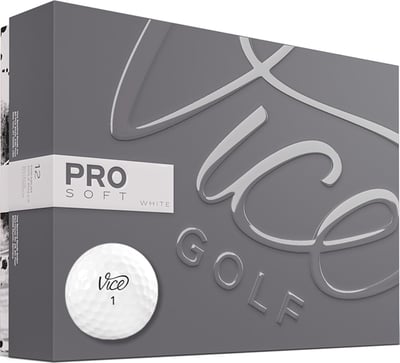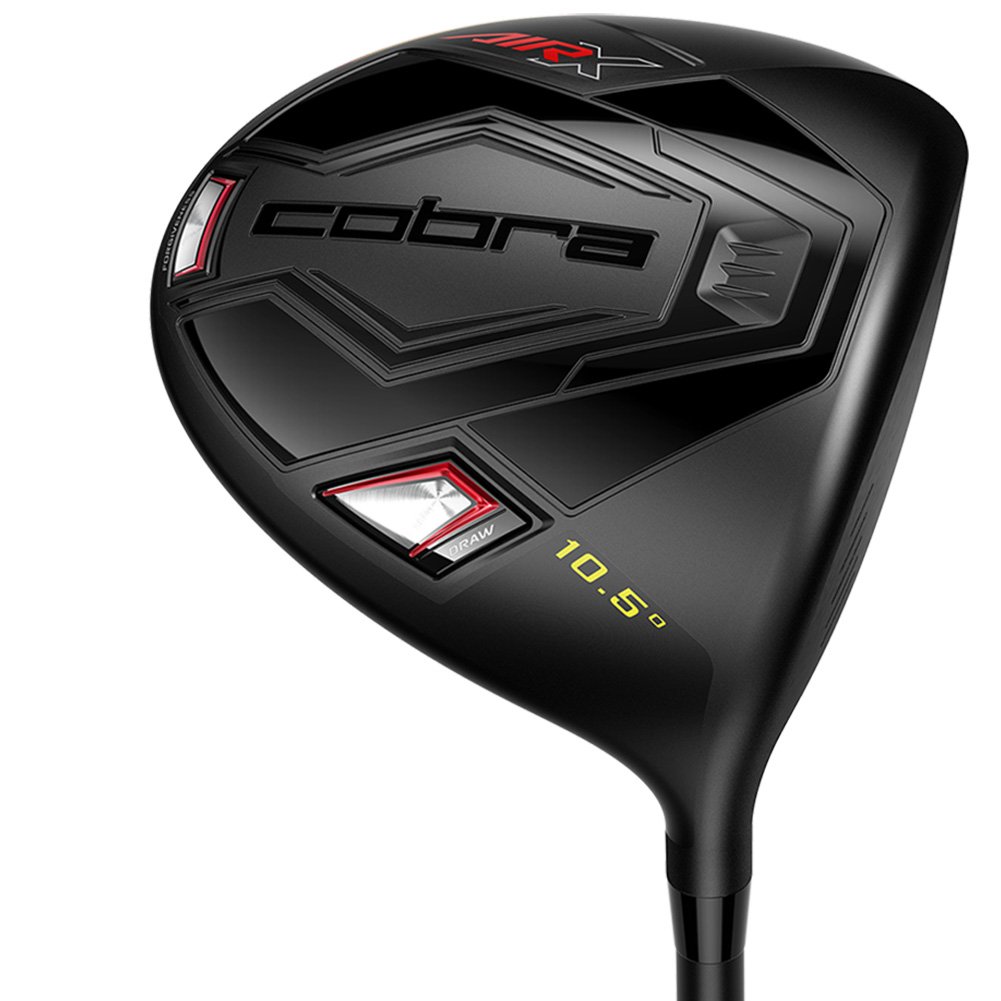

Weekend golfer on a wallet? You can play smarter with affordable golf essentials and proven budget golf tips. From cheap golf clubs and budget golf clubs to beginner golf gear that actually performs, I’ll show you how to save money golfing without sacrificing fun. Learn where to score used golf balls, pick an inexpensive golf bag, and choose a cheap golf rangefinder that’s accurate. Plus, the best golf training aid picks to groove your swing on a dime. Ready to stretch your green fees and lower scores? Let’s upgrade your game for less.
Weekend Players’ Guide to Affordable Golf
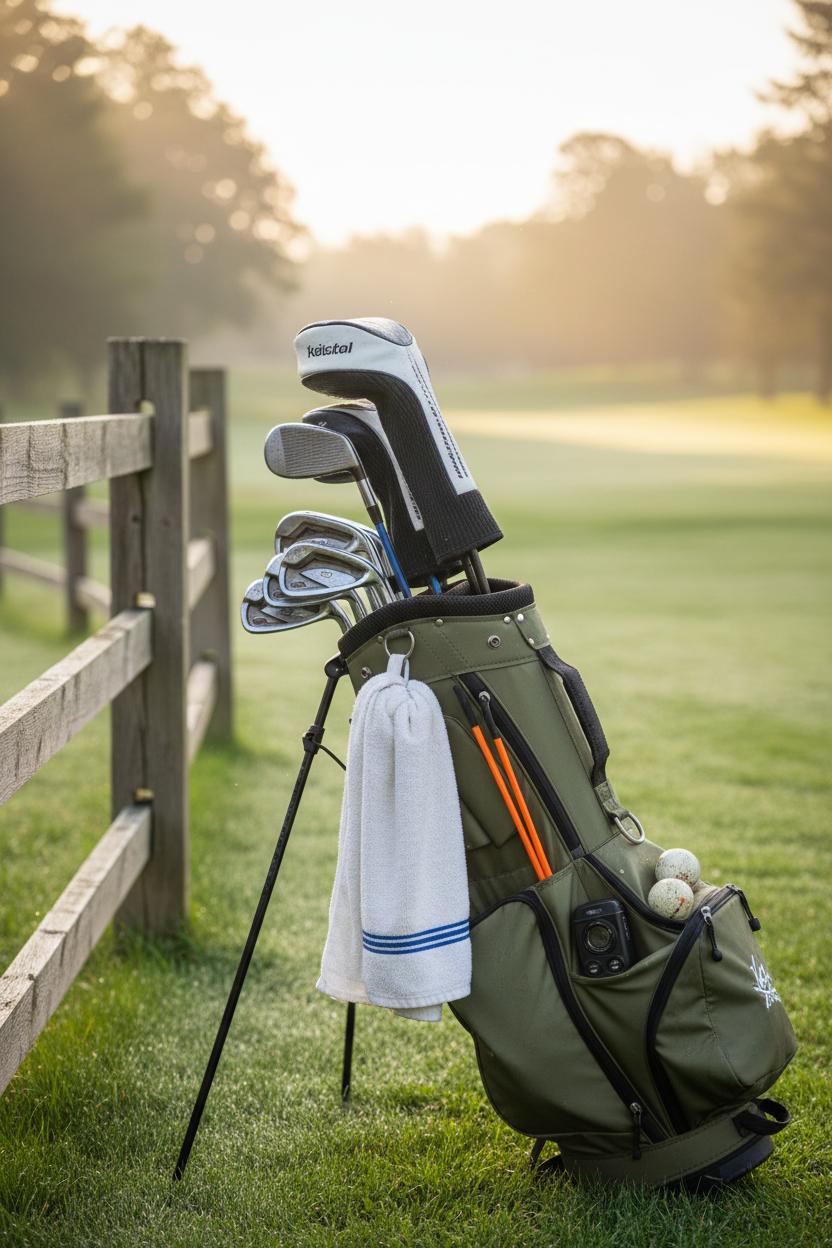
Saturday mornings should smell like coffee and cut grass, not buyer’s remorse. If your trunk is a jumble of hand-me-downs and thrifted finds, you’re already halfway to affordable golf—the kind that feels relaxed, resourceful, and fun. The secret is building a small, thoughtful setup and picking your splurges on purpose. You can absolutely save money golfing and still look put together: think clean grips, a tidy towel, and a pre-round routine you love. Your game will thank you, and your budget will, too.
Start with gear that gives you confidence without the sticker shock. Explore budget golf clubs at local shops, demo sales, or certified secondhand sites; modern sets of cheap golf clubs are often plenty forgiving and perfect as beginner golf gear. Grab a dozen used golf balls for practice and casual rounds—scuffs don’t matter when you’re dialing in tempo. If your bag has seen better days, an inexpensive golf bag with comfy straps and a few smart pockets feels like a glow-up. A cheap golf rangefinder can be a quiet superpower for course management, and a simple golf training aid—like alignment sticks or a putting mirror—turns any hallway, patio, or lunch break into a micro-lesson. Keep your kit light, clean, and ready to toss in the trunk at a moment’s notice.
On the course, stretch every dollar with small, happy rituals. Book twilight or nine-hole evenings when fees drop and the light turns honey-gold. Walk when you can, or split a cart; bring your own water and a snack so you’re not raiding the turn shack. Seek out muni gems and loyalty punch cards, and look for bundle deals on range buckets. Share a lesson with a friend, join a group clinic, or trade old clubs for store credit instead of buying new. Regrip before you replace; a fresh grip makes familiar sticks feel brand-new. With these budget golf tips, your weekends become a rhythm: a little practice, a lot of sunshine, and steady progress. Affordable golf isn’t about going without—it’s about choosing what matters, savoring the round, and letting good habits carry you from the parking lot to the 18th green.
Beginner Golf Gear Essentials: What You Really Need (and What You Don’t)
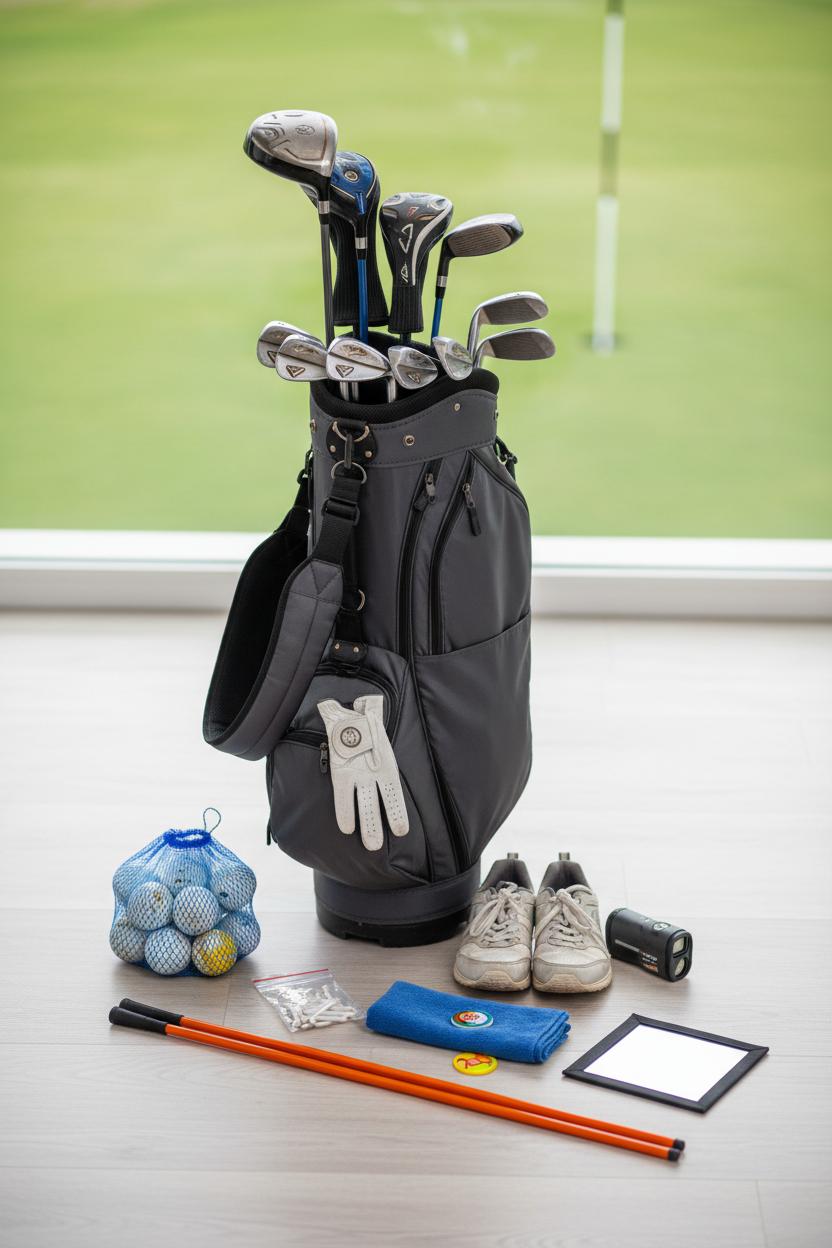
Starting out in golf doesn’t have to empty your wallet—affordable golf is absolutely possible when you focus on the handful of things that truly matter. For beginner golf gear, think simple and forgiving: a small set of budget golf clubs or even cheap golf clubs from the used market can be perfect, especially a combo like a driver or 3-wood, one hybrid, a 7-iron, 9-iron, a wedge, and a putter. That’s plenty to learn with while you dial in contact and confidence. Pair them with an inexpensive golf bag that’s light, comfortable, and has enough pockets for snacks and a rain layer. Skip the pricey dozen of premium balls and grab used golf balls—your swing won’t notice the difference yet, and you’ll feel zero guilt if one splashes into the pond. Add a glove that fits, a handful of tees, and you’ve built a solid starter kit that keeps you moving and lets you save money golfing from day one.
Footwear and little extras make the round smoother without the splurge. You don’t need top-shelf tour shoes; any comfortable pair with decent grip will do until you’re playing regularly. Toss a towel, sunscreen, and a cheap ball marker into the bag, and you’re set. A cheap golf rangefinder is nice but not necessary when most courses have yardage markers and smartphone apps offer free GPS; consider it a later upgrade if you like gadgets. If you want a small edge for practice, a simple golf training aid—like alignment sticks or a putting mirror—can sharpen fundamentals without costing much, and sometimes driveway markers do the same job for a few dollars. These are the budget golf tips that keep your gear practical and your focus on swings, not receipts.
What you don’t need yet: a full 14-club arsenal, a brand-new driver at tour prices, a staff bag built for caddies, or premium balls that promise extra spin you can’t use—those can wait. Rent a demo club now and then to test shapes you might love later, and trade up slowly as your swing settles. This approach to beginner golf gear keeps the game light, fun, and truly accessible, letting you enjoy affordable golf while you save money golfing for more tee times and post-round treats.
Best Budget Golf Clubs vs. Cheap Golf Clubs: How to Choose Without Regret
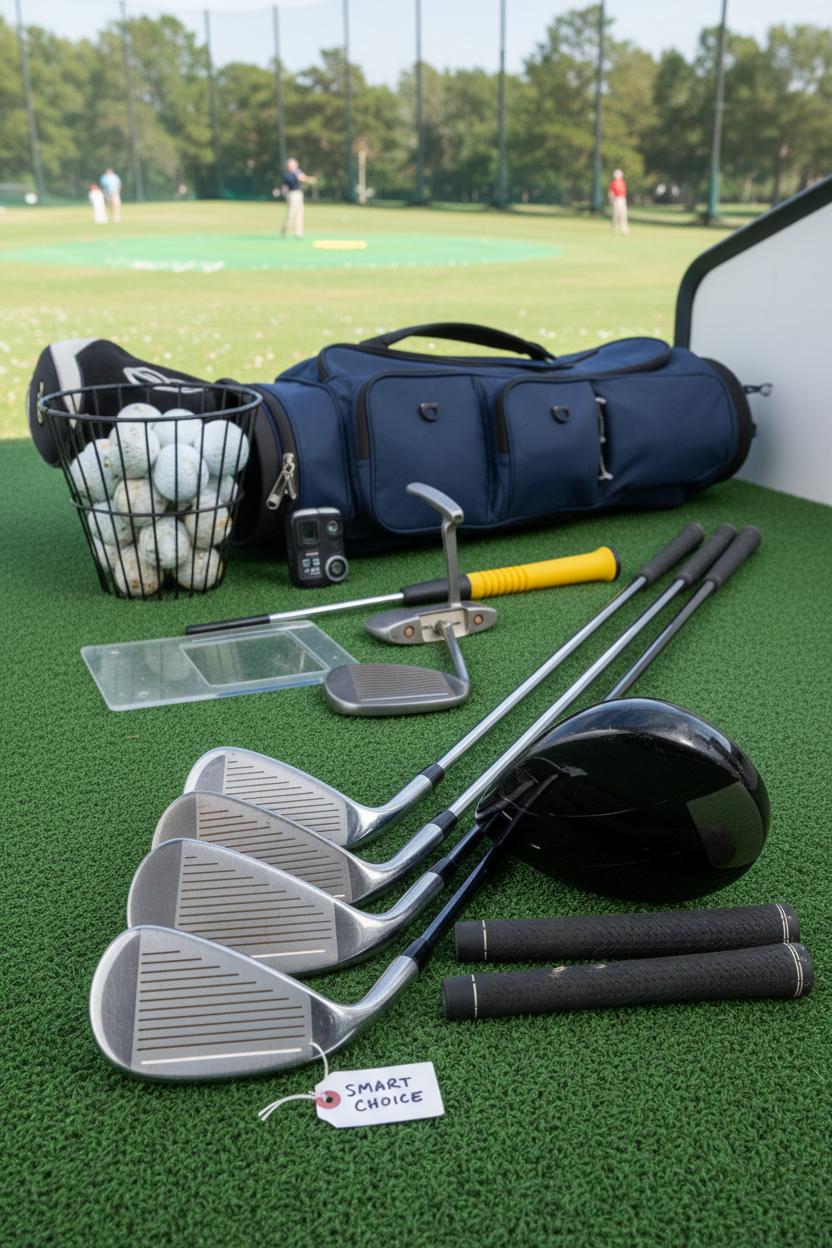
There’s a real difference between the best budget golf clubs and plain old cheap golf clubs, and it shows up the minute you step onto the range. “Cheap” often means corners cut—mushy grips, mystery shafts, and inconsistent lofts that make every iron feel like a guess. Great budget golf clubs, on the other hand, give you solid materials, forgiving head designs, and predictable distances without the premium price tag. Think cavity-back irons with perimeter weighting, a driver that’s a touch higher lofted to help launch, and wedges that actually spin. If you’re building beginner golf gear, prioritize feel and forgiveness over flashy names; affordable golf is about smart choices, not settling.
Here’s how to choose without regret. Start with last-year’s models from reputable brands or certified pre-owned—those often deliver tour-level tech at starter prices. Ask about shaft flex and weight; a regular or senior flex in graphite can add launch and comfort, while steel in the irons keeps things stable. Check the loft gaps (especially your pitching and gap wedge) so you’re not stuck with awkward distances. Look for a return window and basic warranty. If a set advertises 14 clubs but sneaks in odd duplicates, skip it—better to buy a leaner, well-matched 9–11 piece set and add as you grow. That’s one of my favorite budget golf tips: build slowly, not sloppily. When in doubt, read reviews for consistency of distance and durability, not just “it hits far.”
To really save money golfing, pair your set with smart accessories. Grab a couple dozen used golf balls for practice and stash a nicer sleeve for the first tee. An inexpensive golf bag with plenty of pockets beats a flashy one that scuffs in a month. If you like gadgets, a cheap golf rangefinder can clean up your yardages more than you think. And a simple golf training aid (like a putting mirror or swing tempo tool) will pay for itself faster than a “bargain” driver you don’t love. Affordable golf doesn’t mean saying yes to every sale; it means saying yes to the right pieces, at the right time, so your bag—and your confidence—grow together.
Stretch Your Dollar with Used Golf Balls: Performance Without the Price
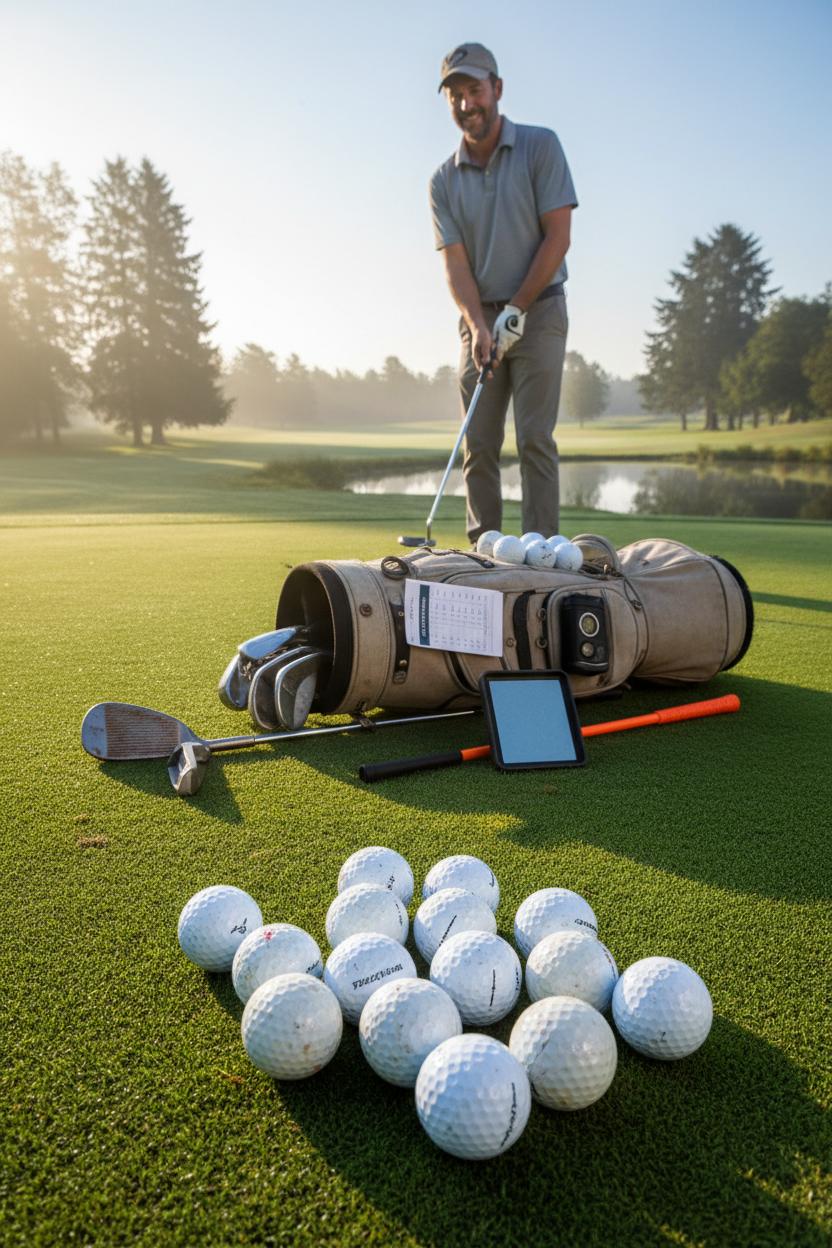
If you’ve ever flinched watching a brand-new ball splash into a pond, you already understand the magic of used golf balls. They’re the quiet hero of affordable golf: same satisfying “click,” plenty of greenside spin, and a price that lets you swing freely instead of steering. For weekend players, this is one of the easiest budget golf tips—grab a mixed dozen in “mint” or “AAAA/5A” condition and you’ll often get tour models at a fraction of new. Even “AAA” grades are great for practice rounds, scrambles, or tight holes where trouble lurks. You’ll save money golfing instantly, and your scorecard may even thank you for playing without fear.
Picking the right batch is simple. Stick to brands and models you already like, and check for cover integrity—no deep cuts, just normal scuffs. If you’re building out beginner golf gear, look for softer, lower-compression options for easier launch and feel around the greens. Give your finds a quick soak in warm, soapy water, dry them off, then add a tiny alignment mark so you can track spin and ownership. Pair them with budget golf clubs or even the cheap golf clubs you already have, and toss a few extra sleeves in an inexpensive golf bag so you’re never rationing on the back nine. A cheap golf rangefinder helps you commit to the shot, and a simple golf training aid—like an alignment stick or putting mirror—turns those saved dollars into real strokes gained.
The best part? Used golf balls make every round feel less precious and more playful. Miss the fairway? No meltdown. Find the green? Enjoy that soft check and roll. Funnel your savings into lessons, an extra bucket at the range, or a wedge grind that fits your turf. That’s the heartbeat of budget golf tips: make small, smart swaps that compound over time. With used golf balls as your go-to, you’ll keep the fun high, the costs low, and your bag stocked—proof that performance doesn’t have to be pricey when you set up your game for affordable golf from the first tee.
How to Pick an Inexpensive Golf Bag That Lasts
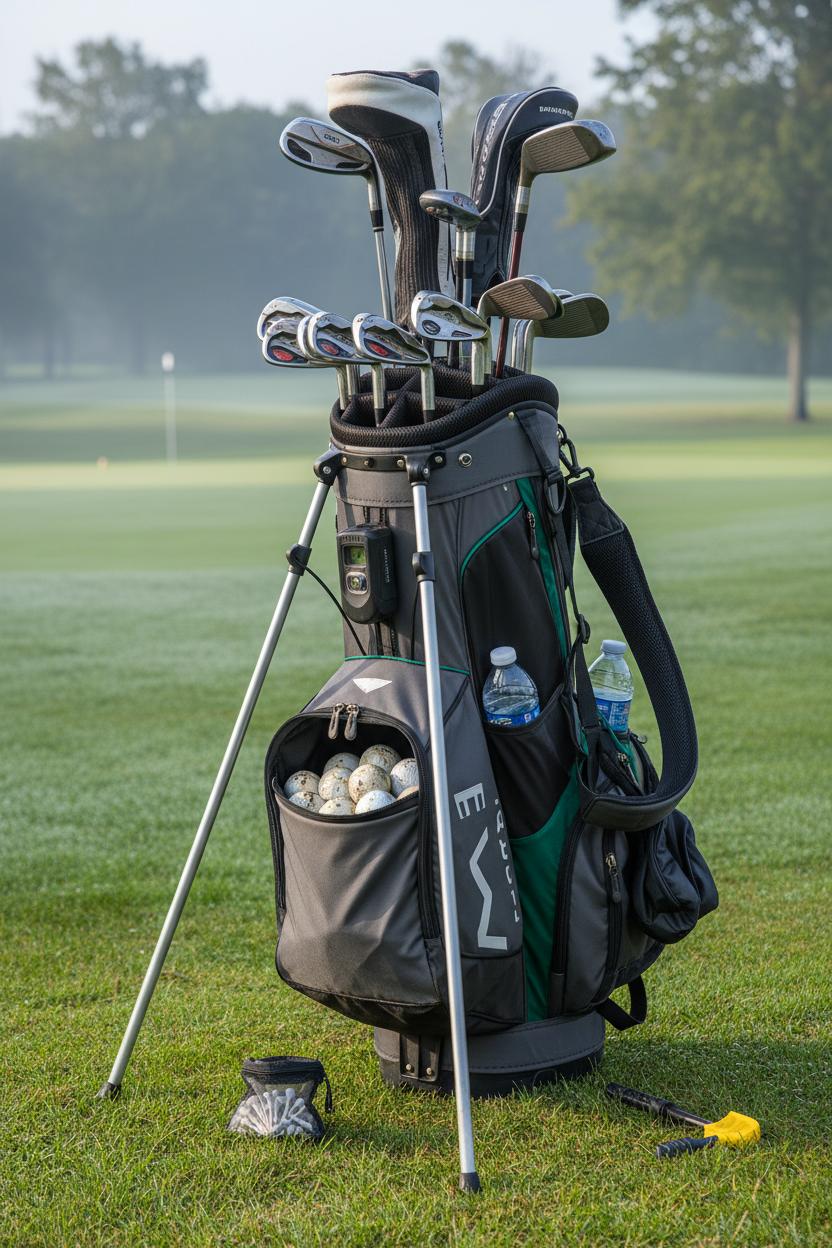
Think of your golf bag as the cozy closet for your weekend rounds—if you pick the right one, it quietly does everything well and keeps your gear tidy season after season. For affordable golf without the flimsy feel, start with fabric and frame. Look for 600D or 900D polyester/nylon with a bit of ripstop and a coated or rubberized base so it doesn’t soak through on dewy mornings. Give the top cuff a squeeze; a firm, reinforced rim keeps shafts from tangling, especially if you carry cheap golf clubs or a mixed set of budget golf clubs. Check stress points for tight stitching and bar-tacks, and tug the zippers; smooth, lockable pulls are worth their weight in sanity. If you walk, aim for an inexpensive golf bag under five pounds with cushy dual straps and a breathable hip pad. For stand bags, test the leg action—wide feet, stable hinge, and no wobbles. Cart players can pick a bag with a cart-friendly base and a front-facing pocket layout.
Dividers and pockets are where everyday happiness lives. Four to six full-length dividers are plenty for most weekend players and beginner golf gear, keeping grips from marrying each other on hot days. A generous ball pocket fits a stash of used golf balls, and a soft-lined valuables pocket protects your keys and phone. If you carry a cheap golf rangefinder, look for a small magnetic or tethered pocket you can grab in a heartbeat. A slim cooler sleeve for one or two waters is a nice-to-have, not a must. Sunday-style minimalist bags are charming if you like to carry 8–10 clubs, but if you roll with a full set, choose something light yet structured.
A few budget golf tips to stretch value: shop last year’s colors, check certified pre-owned or local sports resale, and peek at returns/open-box deals—easy ways to save money golfing without sacrificing quality. Expect a solid bag in the $80–$140 window; used can be half that. Read reviews that mention zippers and leg durability, and if possible, try on the straps with weight. Care is simple: air-dry after damp rounds, wipe with mild soap, and avoid long-term trunk heat. Don’t overstuff; overloading is the silent killer of seams and zips. Add a rain hood, tighten loose screws each season, and stash small items in pouches so tees and a favorite golf training aid don’t abrade the lining. Pick thoughtfully once, and your bag will quietly handle countless twilight nines.
Should You Buy a Cheap Golf Rangefinder? Accuracy on a Budget
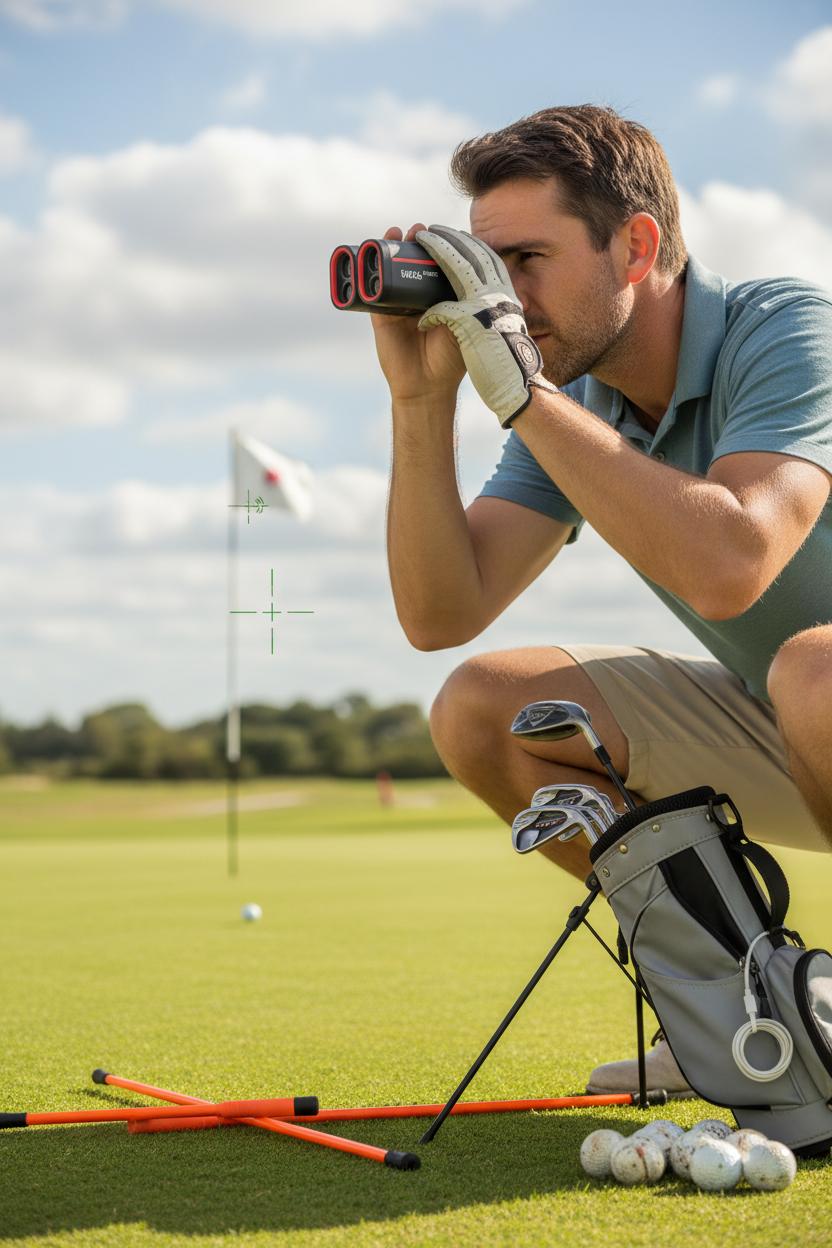
If you’re the kind of weekend player who wants the confidence of a dialed-in distance without spending driver-money on a gadget, a cheap golf rangefinder can absolutely be worth it. Today’s entry-level models have come a long way: many claim ±1-yard accuracy, 6x magnification, flag-lock vibration, and even slope that can be toggled off for league play. For affordable golf, that’s a tiny device doing a lot of heavy lifting. The sweet spot for performance is typically 80–250 yards to the pin; beyond that, glass quality and stabilization matter more, so ultra-budget units can struggle with shaky hands, glare, or a flag flapping against busy trees. Look for a clear on/off slope switch, a readable display in bright sun, and a simple two-button layout—ideal beginner golf gear that doesn’t overwhelm.
When you first unbox it, do a quick reality check at the range: shoot the 100- and 150-yard plates and compare to posted markers or a GPS app. If your readings line up consistently, you’re golden; if not, return policies and a 1–2 year warranty are your best friends. I like units that use common CR2 batteries or a USB-C rechargeable—no one wants a dead device on the 15th. Waterproof or water-resistant ratings also matter for those misty morning tee times. And remember, a cheap golf rangefinder isn’t meant to replace course management; it’s there to confirm your gut, not silence it. Pair it with a simple golf training aid like alignment sticks or a wedge target and you’ll groove feel plus numbers—budget golf tips that stack.
To really save money golfing, bundle your buys: snag an inexpensive golf bag that’s light but sturdy, toss in a dozen used golf balls for practice rounds, and consider budget golf clubs or a well-reviewed set of budget golf clubs if your sticks are older than your playlists. You’ll have a reliable, cheap golf rangefinder calling out distances, a streamlined setup that moves easily from trunk to tee, and enough left over in the budget for a post-round snack. That’s the kind of quiet confidence and calm that makes affordable golf feel a little bit luxe.
Low-Cost Golf Training Aid Picks That Actually Work at Home
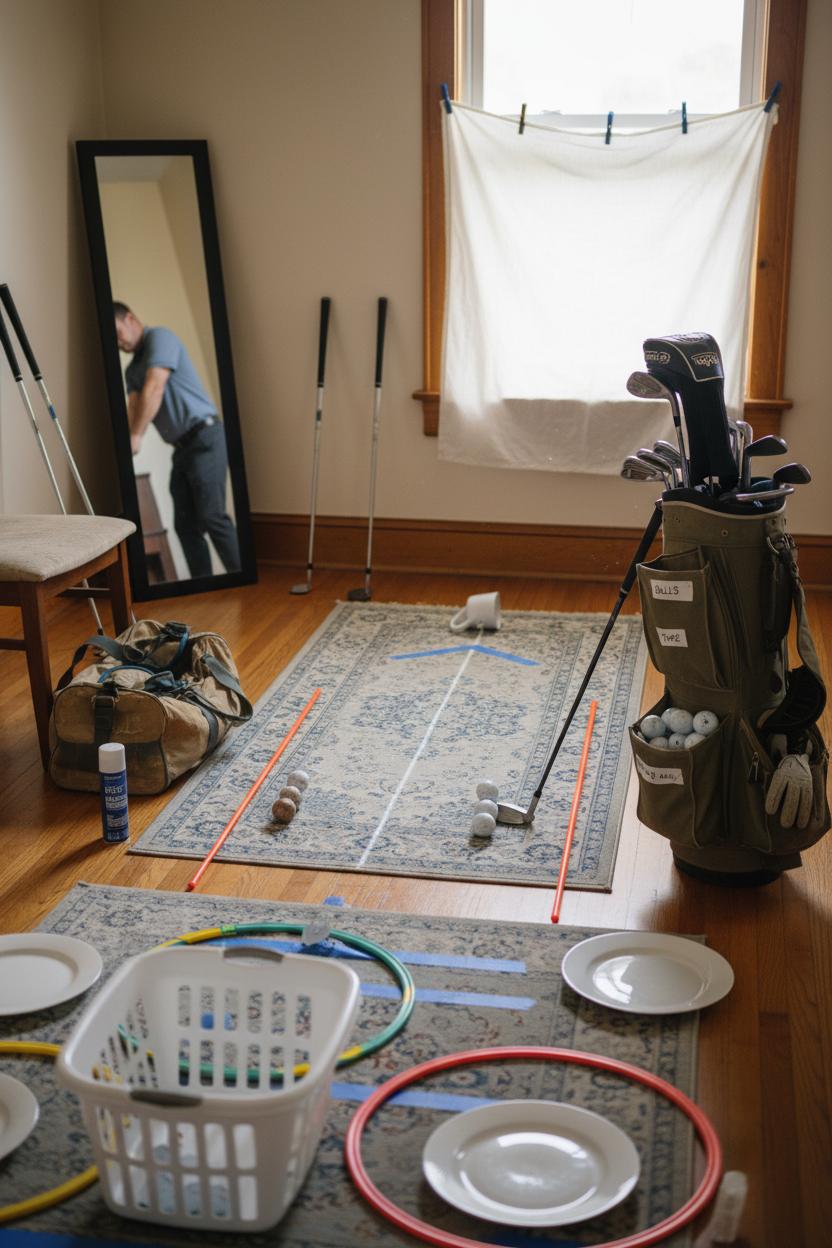
If you’ve ever dreamed of carving out a cozy little practice corner at home, this is your gentle nudge. You don’t need fancy tech to make affordable golf progress—just a few clever swaps and a willingness to repurpose what you already have. For putting, roll out a hallway rug, drop a coffee mug on its side as the “cup,” and snap a chalk line to create a true path. Two sleeves of used golf balls make a perfect gate drill for squaring the face, while a slim dorm mirror helps you check eye position and shoulder tilt. Add a free metronome app for tempo and you’ve got a $0 tour routine. These are the kind of budget golf tips and beginner golf gear tweaks that quietly stack confidence every day.
For full-swing feel, a pair of $2 driveway markers makes excellent alignment sticks—lay them down for stance, path, and ball position. A can of foot-powder spray on the clubface gives instant contact feedback, no launch monitor required, and a stuffed pillow in a duffel becomes a DIY impact bag to train compress-and-hold. Slide a hand towel under both arms or loop a light resistance band around your biceps to groove connection. Painter’s tape on the floor creates a visual swing path, and a bedsheet clipped to a doorway can catch foam balls when the weather’s fussy. You can do all of this with your current set—even cheap golf clubs or budget golf clubs—because the point is building repeatable feels, not buying a gadget. That’s how you really save money golfing.
Short-game touch? Toss a laundry basket out as a landing zone and chip ten-in-a-row before moving it two steps farther; scatter hula hoops or dinner plates for varied carries. Keep a stash of used golf balls in an inexpensive golf bag so practice is grab-and-go, and label pockets for tees, tape, and your favorite golf training aid. Before you splurge on a shiny new toy like a cheap golf rangefinder, spend a week of quiet reps at home and watch your contact, pace, and confidence jump. Affordable golf happens in these small, satisfying sessions—the kind that turn the weekend into your personal mini-camp.
Where to Find Deals: Off-Season Sales, Outlets, and Secondhand Scores
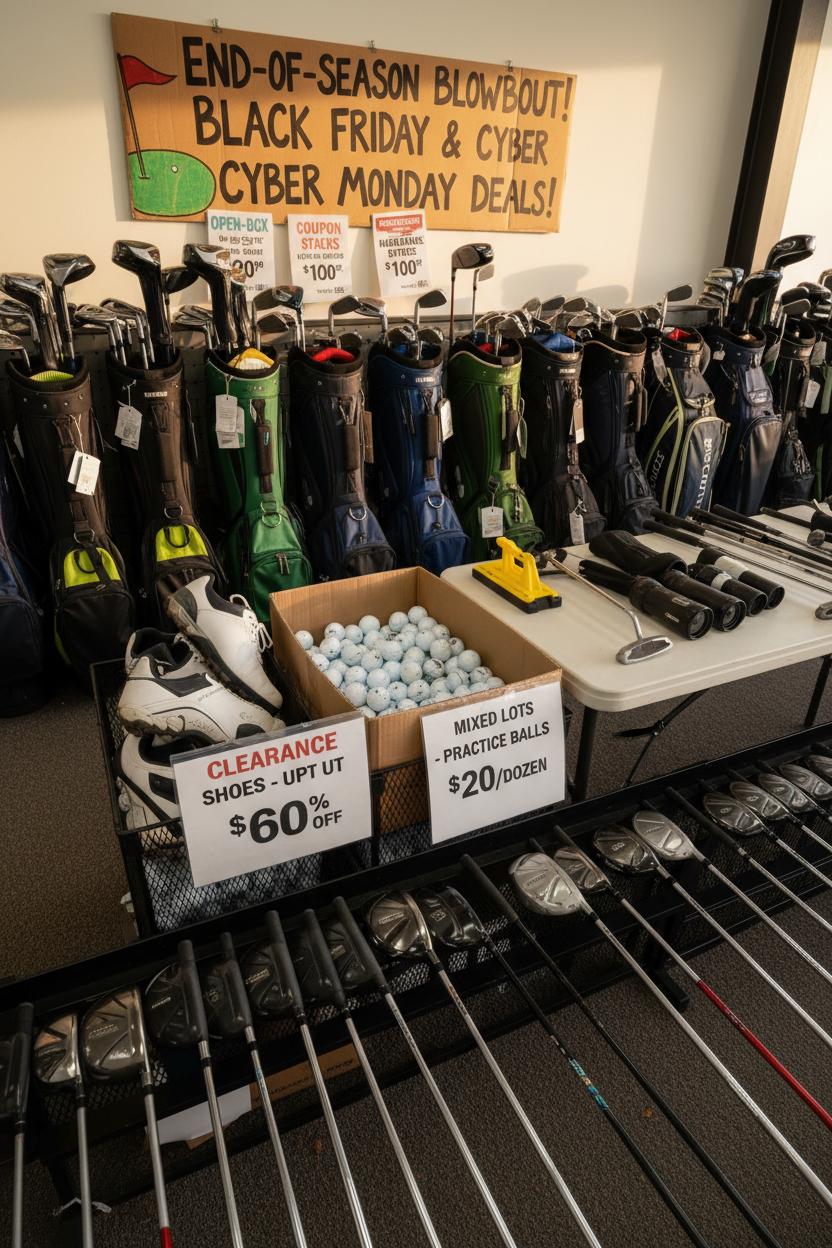
If you love a good deal, the calendar is your secret caddie. The best steals show up in late fall through winter, when shops clear space for new releases. That’s when last season’s drivers, shoes, and beginner golf gear quietly slide onto the clearance rack—same performance, friendlier price tag. Sign up for pro shop and retailer emails so you don’t miss end-of-model blowouts, warehouse events, and coupon stacks around Black Friday, Cyber Monday, and early spring. Don’t sleep on “open-box,” demo, and floor models either; a lightly handled putter or cheap golf rangefinder can be hundreds less with barely a scuff. Online, filter for “clearance” and “refurbished,” and compare prices across a few stores before you click buy. On Amazon and big-box sites, last year’s listings are gold: think budget golf clubs, an inexpensive golf bag that still looks sleek, bulk used golf balls for practice rounds, or a simple golf training aid you can toss in the trunk. These small switches add up to real budget golf tips you’ll actually use.
Outlets and secondhand spots are where affordable golf gets fun. Hit golf brand outlets for prior-year apparel and “scratch-and-dent” accessories, then swing by local pro shops to ask about trade-ins and demo-day leftovers. For the treasure hunt vibe, check Play It Again Sports, thrift stores, and weekend yard sales; online, browse eBay, Facebook Marketplace, and trusted resellers like 2nd Swing, GlobalGolf, and Callaway Pre-Owned. Give clubs a quick check: grips (cheap to replace), faces (no deep cracks), and shafts (no soft spots). Grab mixed lots of used golf balls to stretch range sessions, and look for carry or stand bags with intact zippers and straps—you might score an inexpensive golf bag that looks brand-new. Many resellers offer playability guarantees, so you can return a set of cheap golf clubs if they don’t suit your swing. Pair these finds with a modest golf training aid at home, and you’ll save money golfing without feeling like you’re compromising. In the end, the best gear is the gear you can play often—and the sweetest rounds are the ones you didn’t overpay for.
DIY Club Fitting and Maintenance: Small Tweaks to Save Money Golfing
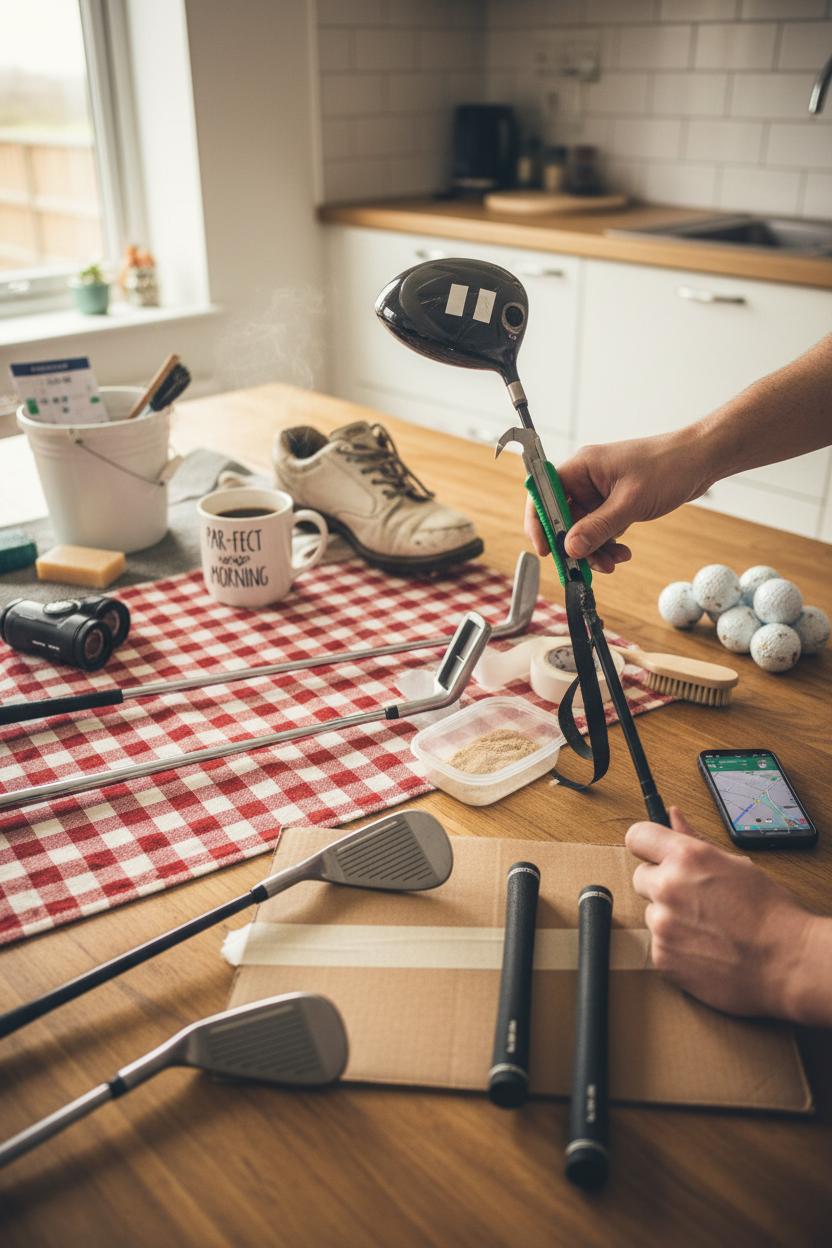
There’s something oddly soothing about laying your clubs out on the kitchen table with a cup of coffee and giving them a little spa day. Start with regripping: it’s the easiest DIY upgrade in all of affordable golf. A hook-blade utility knife, double-sided grip tape, and a splash of mineral spirits are all you need to slide on fresh grips at home. Align the logo to your natural setup, and play with grip size by adding an extra layer or two of tape if your hands feel cramped. Doing it yourself usually runs $3–6 per club instead of $12–20, which is the kind of budget golf tips win that adds up fast. Even cheap golf clubs feel more confident in your hands when the grips are tacky and sized right.
Next, try a simple at-home fit check. Spray the clubface with foot powder or use impact stickers and hit a half-dozen shots—if the marks gather on the toe or heel, you may need a lie tweak. You can mimic a lie board with a strip of masking tape on the sole and a flattened cardboard box; look at where it scuffs. Don’t bend irons yourself, but now you’ll know exactly what to ask a shop to do, saving time and guesswork. If your irons feel too light or head-heavy, a few inches of lead tape on the back of the head can smooth tempo and tighten dispersion—tiny, reversible tweaks that make budget golf clubs behave like they were made for you. For the putter, square the grip by standing it against a doorframe and aligning the flat front with your target line; a straight, comfortable putter grip is the cheapest path to fewer three-putts.
Keep everything fresh with a warm-soapy scrub and a soft brush to clean grooves; dry thoroughly and add a whisper of oil to prevent rust. Skip aggressive regrooving tools; clean grooves are legal and plenty spinny. Map your real yardages with a cheap golf rangefinder or a GPS app and a bucket of used golf balls so you’re not nervous about every swing. Jot down your gapping and tuck the card into your inexpensive golf bag. If you’re shopping online, look for beginner golf gear bundles or a golf training aid like alignment sticks to stretch every practice minute. These small, thoughtful tweaks keep your setup dialed, your confidence cozy, and your wallet intact—proof that you can save money golfing without sacrificing feel or fun in the process.
Course Strategy for Affordable Golf: Spend Less, Score Better
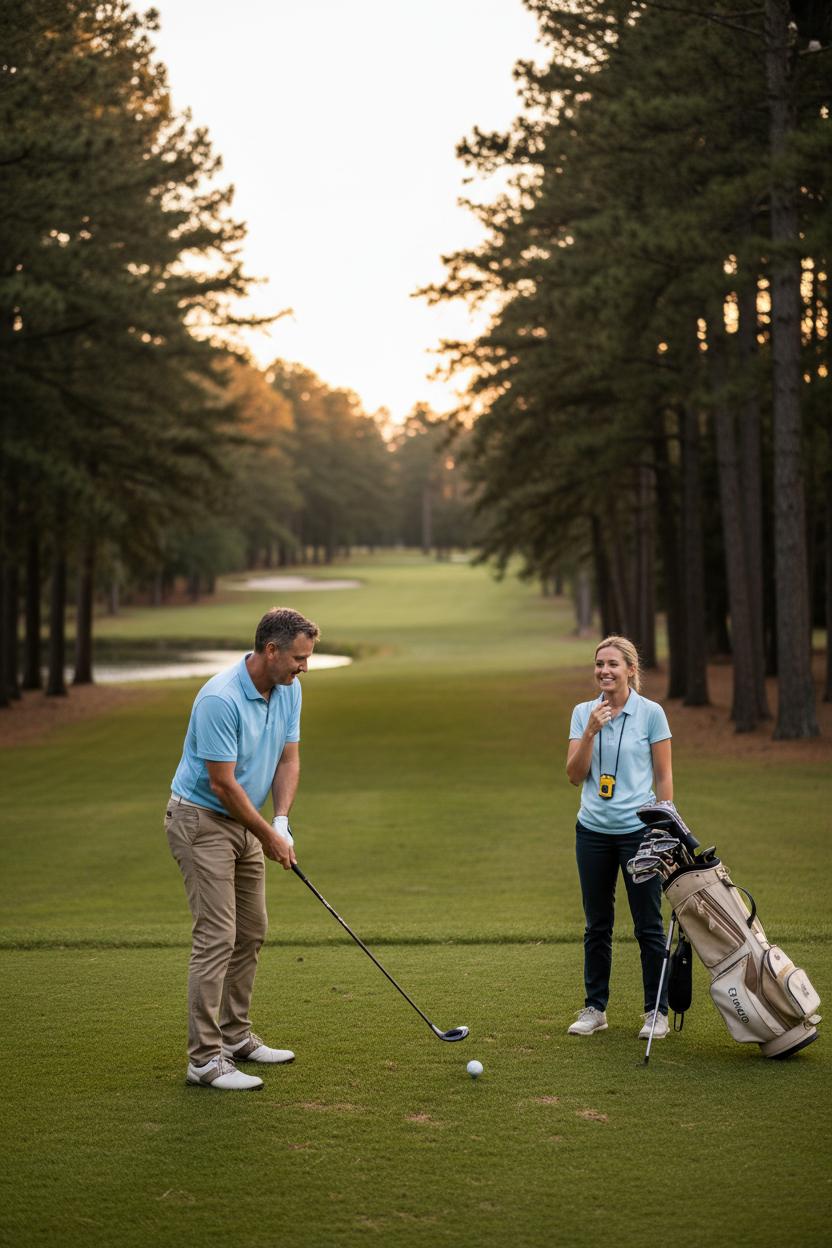
If your goal is to spend fewer dollars and fewer strokes, think of course strategy as the art of gentle choices. Start by playing the tees that match your carry distance—you’ll keep the ball in play and the round moving, which is the heart of affordable golf. Aim for big, friendly targets: the widest part of the fairway, the fat side of the green, the layup yardage that sets up your favorite wedge. A cheap golf rangefinder quietly pays for itself by giving you front-middle-back distances and helping you avoid the penalty zones that swallow shots and balls. Keep a sleeve of used golf balls for water-heavy holes, and save your pristine ones for safer stretches. These budget golf tips aren’t about swinging harder; they’re about leaving the hero shot for another day and walking off with pars and bogeys that feel like wins.
Off the tee, club down to the longest club you can stripe—hybrid or iron if your driver gets wild. Straight and short beats long and lost, especially when you’re rocking budget golf clubs or cheap golf clubs from your favorite bargain bin. Around the green, choose the highest-percentage play: bump-and-run when you can, putt from the fringe, and only loft it when you must. That mindset pairs beautifully with beginner golf gear, because crisp contact and simple shots travel well no matter what’s in your inexpensive golf bag. A small, packable golf training aid you’ve practiced with at home can shape a quick pre-shot routine: one rehearsal swing, eyes on a landing spot, breathe, swing. The rhythm alone will save you strokes.
Think like a minimalist. Carry only the clubs you trust most, stash a granola bar and a refillable bottle, and walk when you can to save money golfing while keeping your tempo steady. Before the round, circle the three trickiest holes on the card and decide your safe plan—fairway finder, smart layup, two-putt and go. Affordable golf lives in those calm, confident moments. Between twilight tee times, used golf balls on risky shots, a cheap golf rangefinder for smart numbers, and tidy decision-making, you’ll spend less, score better, and head to the parking lot feeling rich in all the right ways.
A $200 Starter Setup: Beginner Golf Gear Checklist
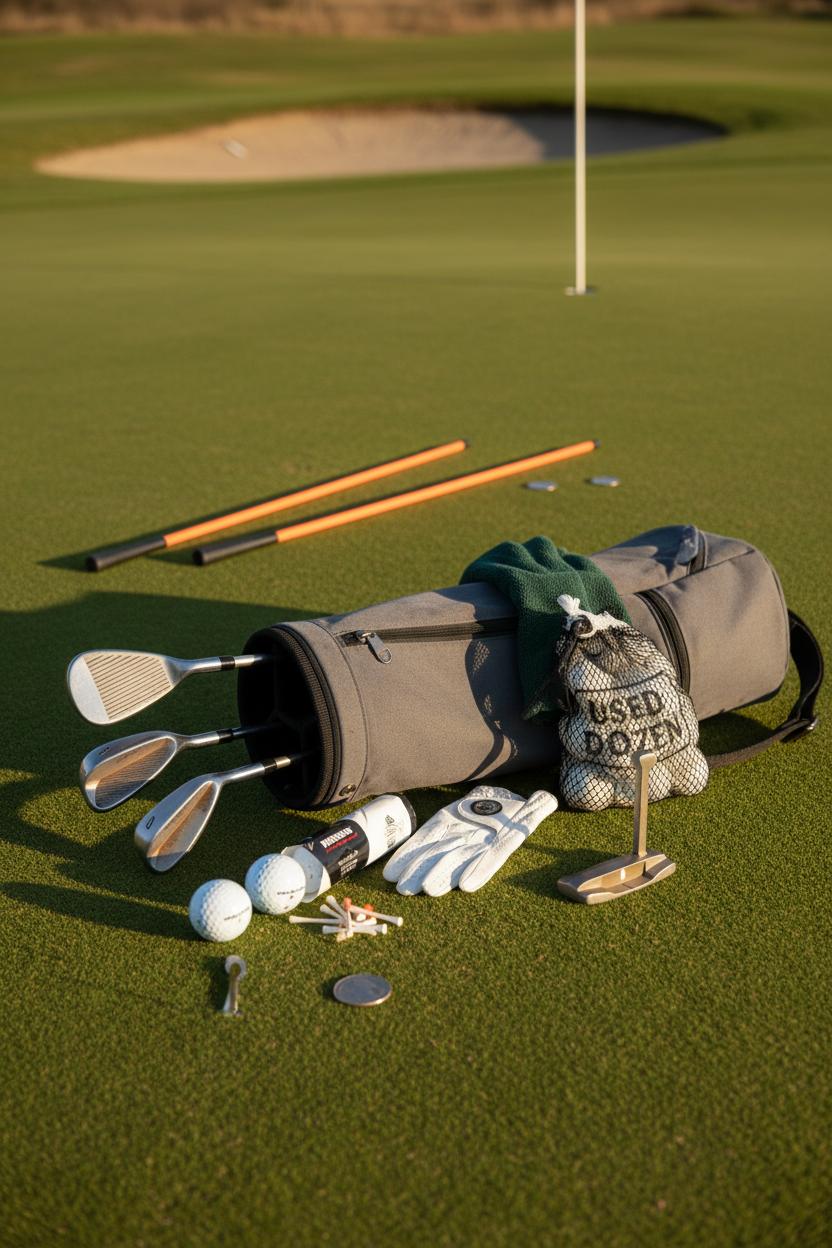
If you’re just dipping your toes into weekend rounds and want to keep things sweet and simple, a $200 starter setup can absolutely get you on the tee with confidence. Think quality over quantity: start with two or three budget golf clubs—ideally a forgiving 7-iron, a trusty wedge, and a putter. Look for “budget golf clubs” bundles or snag singles at your local shop’s used rack; cheap golf clubs with a little cosmetic wear still swing beautifully. Toss in a sleeve (or two) of used golf balls so you won’t wince when one finds the trees, plus a handful of tees, a basic glove, and a super-light, inexpensive golf bag you can carry without feeling weighed down. Add a microfiber towel and a ball marker/divot tool and you’ve got beginner golf gear that feels clean, coordinated, and ready for Saturday sunshine—no credit card panic required. It’s the heart of affordable golf: fewer pieces, more play.
From there, sprinkle in smart, budget golf tips to stretch your dollars. A cheap golf rangefinder is nice-to-have, not need-to-have—download a free GPS app first and upgrade later if you love having yardages. For practice, pick one golf training aid that multitasks, like alignment sticks (or hardware-store driveway markers) you can use for aim, posture, and tempo; a putting gate made from two coins is basically free and crazy effective. Shop for used golf balls by the dozen, hunt for last-year models, and check clearance corners for an inexpensive golf bag with just enough pockets. Scour local classifieds and pro shop bulletin boards for hand-me-downs, and ask about trade-in bins for hidden gems. The real secret to save money golfing is patience and timing: off-season buys, end-of-month sales, and demo-day leftovers are your best friend. With this lean kit and a little DIY charm, you’ll have everything you need to practice after work, sneak in nine at twilight, and build skill without bloat—proof that beginner golf gear can be cute, capable, and kind to your wallet.
Conclusion
Weekend golf doesn’t have to drain your wallet. With our budget golf tips—shopping off-season, trying cheap golf clubs or quality secondhand sets, and building a simple kit of beginner golf gear—you can play more for less. Focus on smart practice, free drills, and muni tee times to save money golfing while still leveling up your swing. Affordable golf is about intention, not sacrifice: clean your clubs, pack snacks, share balls, and enjoy the walk. Tee it up with confidence, play the game you love, and keep those savings rolling from the first drive to the final putt.