



Cobra DS-ADAPT LS Driver Review
Introduction
The Cobra DS-ADAPT LS Driver (priced at $549) is a premium golf driver from
Cobra Golf, a well-known manufacturer in the golf equipment category. As an LS
(low-spin) model, it is designed primarily for golfers who generate moderate-to-high clubhead speed and want
to reduce spin for a more penetrating flight, added rollout, and tighter control—especially in windy conditions
or when miss tendencies create excess spin.
Appearance, Materials, and Design
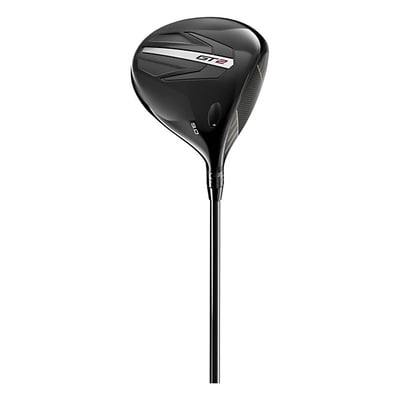
The DS-ADAPT LS presents a modern, performance-driven look typical of Cobra’s “player” driver line: clean,
confident shaping at address, with a compact-to-traditional profile that aims to appeal to better players and
stronger hitters. The “LS” identity generally signals a more forward-CG-oriented design philosophy (to lower
spin), and the overall aesthetic tends to prioritize alignment clarity and a squared, confidence-building
setup.
In hand and at address, the head’s visual cues are geared toward speed and stability. Cobra drivers typically
incorporate lightweight composite elements in the crown area and high-strength face materials to support
faster ball speeds, and the DS-ADAPT LS continues that performance-first approach. A key design emphasis is
adjustability, enabling golfers to tune loft/lie and shot shape bias rather than relying on a
one-size-fits-all setup.
Key Features and Specifications
- Manufacturer: Cobra Golf
- Category: Golf Driver (Low-Spin / “LS” model)
- Intended use: Distance-focused tee shots with reduced spin and a penetrating flight
- Adjustability: Loft/lie tuning via an adjustable hosel system (adapter-based fitting)
- Performance goal: Lower spin with strong ball speed potential for higher-speed swings
- Price: $549
Note: Exact head weights, loft offerings, shaft options, and any specific proprietary naming of face/crown
technologies can vary by retail configuration. For the most accurate spec sheet, check the listing from the retailer
or Cobra’s official product page for your region.
Performance and On-Course Experience
1) Driving for Maximum Distance (Neutral Conditions)
In standard fairway-finding situations, the DS-ADAPT LS behaves like a true low-spin driver: it is best when the
strike is centered and the swing delivers enough launch. When fit properly, the lower-spin profile can convert speed
into a strong, forward flight and meaningful rollout. Golfers who naturally “spin it up” (high dynamic loft, high
spin loft, or a steep attack) are the most likely to see a clear distance improvement versus higher-spin models.
However, low-spin drivers can be less forgiving when the strike drifts low on the face or toward the heel/toe. In
those misses, launch and carry can drop more noticeably than with a more stability-biased head. The upside is that
golfers with consistent contact often prefer the more “connected” response and the ability to keep spin down when
they go after it.
2) Windy Rounds and Firm Fairways
This is a scenario where the LS concept typically shines. A flatter, more penetrating ball flight can be easier to
control in crosswinds and headwinds, and the reduced spin helps keep the ball from ballooning. On firm fairways, the
flight-and-roll combination can be a real advantage—especially for players who already launch the ball adequately.
3) Shaping Shots (Fades, Draws, and Flight Control)
Players who like to work the ball often gravitate to LS drivers because reduced spin can make curves tighter and more
predictable when the clubface/path relationship is controlled. The adjustable hosel system adds another layer:
increasing loft can help raise launch and add a bit more stability, while decreasing loft can further reduce spin and
flatten trajectory (at the potential cost of carry if launch becomes too low).
That said, golfers who rely on spin to “hold” a big draw or to keep a fade from falling out of the air may find the
LS head less cooperative—particularly at slower swing speeds. In that case, a higher-MOI or mid-spin model may produce
better playable distance.
4) Forgiveness on Mishits
Expect directional stability to be solid but not the absolute maximum you can find in a driver category.
LS models commonly trade a bit of forgiveness for spin reduction and workability. If your miss is a low-face strike, the
lower-spin design can sometimes lead to “knuckle-y” shots that fall short of ideal carry. Conversely, if your typical miss
creates excess spin (high-face or glancing strike), the LS profile can tighten flight and improve consistency.
Pros and Cons
Pros
-
Low-spin performance profile that can improve distance and control for higher-speed players
or those who generate excessive spin. - Adjustability allows loft/lie tuning to dial in launch, flight window, and directional tendencies.
- Penetrating ball flight that can be especially effective in wind and on firm conditions.
- Player-preferred feel for those who like a responsive head and the ability to shape shots.
Cons
- Less forgiving than max-stability drivers, particularly on low-face or inconsistent contact.
-
Not ideal for slower swing speeds or golfers who struggle to launch the ball high enough—carry distance
may suffer if spin and launch drop too far. - Premium price at $549, which may be hard to justify without a fitting or a clear performance gain.
-
Performance depends heavily on fit (loft/shaft settings); incorrect setup can produce low-launch “falling”
shots or inconsistent dispersion.
Conclusion
The Cobra DS-ADAPT LS Driver is a strong option for golfers looking for a low-spin, distance-oriented
driver with meaningful adjustability. It’s best suited to players who already generate sufficient launch and speed,
or those who fight excessive spin and want a more penetrating flight that holds up in the wind. The tradeoff is typical of the LS
category: while it can be excellent when struck well, it may not offer the same “automatic” forgiveness and carry protection as more
stability-focused heads.
If you’re considering the DS-ADAPT LS, a fitting (or at least careful testing of loft and shaft options) is highly recommended. Properly
dialed in, it can be a powerful tee club for confident swings; if you need maximum help launching the ball or stabilizing mishits, you may
be better served by a more forgiving, higher-MOI model in the same lineup.




Reviews
There are no reviews yet.