



Garmin Approach CT10, Starter Pack (3) – Product Review
Introduction
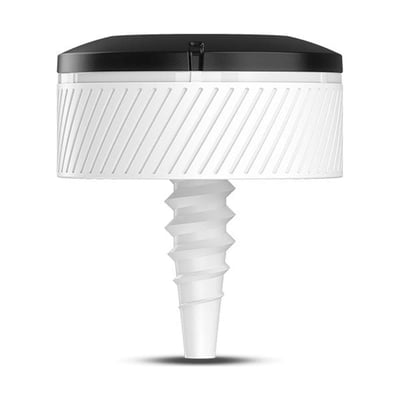
The Garmin Approach CT10, Starter Pack (3) is a set of three club-tracking sensors made by
Garmin, a well-known manufacturer in GPS and sports technology. This product falls into the
golf performance tracking category and is intended for golfers who want to record club usage,
analyze shot patterns, and build more detailed stats—typically by pairing the sensors with compatible
Garmin Approach golf watches or the Garmin Golf ecosystem.
Priced at $79.99, this starter pack is designed as an entry point into Garmin’s automatic club
tracking, letting you instrument a few key clubs (often wedges or frequently used scoring clubs) before committing
to a full set.
Appearance, Materials, and Design
The CT10 sensors are compact and understated, built to sit on the end of a club’s grip. Visually, they’re designed
to be unobtrusive: small, rounded modules that don’t draw much attention once installed. The overall aesthetic is
“functional and minimalist,” consistent with Garmin’s sport-tech style.
In terms of construction, the sensors are made to handle routine outdoor use—think exposure to sun, humidity,
occasional light rain, and the repetitive impacts and vibrations that come with playing golf. A key design element
is the grip-end mounting, which aims to keep the sensor out of the way during play while still
allowing it to detect swings and identify the club being used.
One practical design benefit is that once installed, the sensors typically require little attention. However, some
golfers may be sensitive to any added bulk at the butt end of the grip, especially if they already use counterbalanced
grips or prefer a very specific feel in hand.
Key Features and Specifications
- Automatic club tracking when paired with compatible Garmin golf devices (e.g., Approach series watches).
- Starter pack of 3 sensors for partial-bag tracking or testing the system before expanding.
- Grip-end installation designed to be low-profile and out of the strike zone.
- Records which club is used and supports the collection of club-by-club performance data (when used within Garmin’s platform).
- Integrates with Garmin Golf for post-round review and statistics (dependent on compatible device/app workflow).
- Hands-off workflow in many cases—less manual input than traditional shot-tracking methods (though exact experience depends on your watch/device and settings).
Note: The CT10 sensors generally deliver the most value when you already own (or plan to own) a compatible Garmin golf watch/device.
Without the rest of the ecosystem, their usefulness is limited.
Using the Product: Real-World Experience
1) Setup and Installation
As a starter pack, installation is straightforward: choose three clubs, attach the sensors to the grip ends, and pair them with your compatible Garmin device.
The initial setup typically involves confirming which sensor corresponds to which club so the system can accurately log your shots.
The biggest “setup decision” is strategic: which three clubs to track first. Many golfers prioritize wedges (e.g., sand wedge, gap wedge, lob wedge) because
they generate the most scoring-relevant data and can reveal tendencies around approach distances and short-game patterns.
2) On-Course Performance
During a round, the primary benefit is convenience. Instead of manually tracking every shot or club choice, the system aims to capture club usage
automatically. This can make it easier to stay focused on playing rather than data entry.
In typical play—tee shots, approach shots, and short-game situations—these sensors can help build a picture of how far you actually hit each tracked club,
how often you use it, and where outcomes tend to cluster. When reviewing rounds later, the data can be useful for identifying gaps:
for example, noticing that a particular wedge distance repeatedly results in short misses or that a certain club is relied on heavily for recovery shots.
3) Short Game and “Messy” Situations
Golf isn’t always clean full swings. Partial wedges, bump-and-runs, chips, and punch-outs are common—and these are also areas where automated tracking systems
can vary in reliability depending on swing characteristics and how the ecosystem interprets the action. A starter pack is valuable here because it lets you
test how well the tracking aligns with your style of play before investing in more sensors.
If you frequently practice or play in conditions where you take many “non-standard” swings, you may find that reviewing and occasionally correcting data is part of
the process. That said, even imperfect automation can still provide a helpful baseline for trends over time.
4) Practice Sessions vs. Competitive Rounds
In practice, these sensors can support more structured feedback—especially when paired with a compatible watch that logs shots as you go. For competitive rounds,
the appeal is that you can collect data without substantially changing your pre-shot routine. The sensors are intended to fade into the background so you can keep
your focus on the game.
Pros and Cons
Pros
- Great entry point into club tracking without buying a full-bag set of sensors.
- Convenient automation reduces the need for manual shot logging.
- Compact, unobtrusive design that generally doesn’t interfere with play.
- Valuable insights over time (club usage, tendencies, distance patterns) when paired with Garmin’s ecosystem.
- Strategic flexibility: track the clubs that matter most to your scoring first (often wedges).
Cons
- Ecosystem dependency: the sensors are most useful with compatible Garmin Approach devices and the Garmin Golf platform.
- Only three clubs tracked out of the box—useful for testing, but limited for players who want full-bag analytics immediately.
- Potential feel sensitivity: some golfers may notice the added element at the grip end, especially if they’re particular about grip weighting/balance.
- Data may require occasional review, especially for partial shots or unusual swing types (common to many automated tracking solutions).
Conclusion
The Garmin Approach CT10, Starter Pack (3) is a practical, low-commitment way to begin automatic club tracking within the Garmin golf ecosystem.
It’s best suited to golfers who already own a compatible Garmin Approach watch (or plan to buy one) and want more actionable insights without the hassle of
manual data entry.
At $79.99, the value proposition makes the most sense if you use it intentionally: pick three high-impact clubs (often wedges) and evaluate how
the data influences your decisions—club selection, distance control, and course management. The main drawbacks are the limited sensor count in the pack and the
reliance on Garmin-compatible hardware, but as a “trial run” into shot and club analytics, it’s a well-aimed starter option for golfers who want to play smarter
through better information.



Reviews
There are no reviews yet.